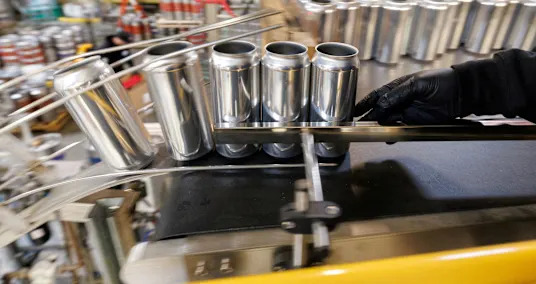
The Gulf’s 3.5 million tonnes of aluminum output is at risk because of the Iran war, and could trigger a global supply crisis according to analysts Wood Mackenzie.
Emirates Global Aluminium has halted operations in Abu Dhabi, after its Al Taweelah site sustained “significant damage” during an Iranian attack on March 28. That takes 1.6 million tonnes a year of production offline and it could take a year to repair. Aluminium Bahrain (Alba)’s facility was also hit by Iran on March 28 and its 1.6 million-tonne-a-year plant may now be working at just 30% of capacity. Qatar’s Qatalum is operating at around 60% capacity.
The Gulf accounts for around 23% of global, non-China aluminum production. Most Gulf output is sold overseas and the regional crisis is having a knock-on effect globally. Aluminum is in high demand from fast-growing industries such as electric vehicles, solar panels, wind turbines, and data centres. Prices are now at their highest level in four years.


 Stolen Renoir, Cézanne and Matisse were probably uninsured, market sources say
- Novartis eyes more bolt-on acquisitions, CEO says
- Israel’s mixed messaging on Christmas draws controversy
- Israel approves 19 new West Bank settlements in major annexation push
- 2024 Moving Styles for Kitchen Redesigns
- Planet-eating stars hint at Earth's ultimate fate
- This Week In Space podcast: Episode 204 — A New NASA
- How Mars' ancient lakes grew shields of ice to stay warm as the Red Planet froze
- West Antarctica’s history of rapid melting foretells sudden shifts in continent’s ‘catastrophic’ geology